Quick take
The 2019 Corvette is the last year of the C7, and it carries the widest spread of versions of any year in this series: Stingray, Stingray with Z51, Grand Sport, Z06 and the new ZR1. The ZR1 is the headline car, and it behaves differently on the used market from the rest. It sat at the top of the range and was aimed at buyers who wanted the most extreme version. It is also the only version covered by this year's one recall.
Check three things. Confirm which version you are looking at and whether the ZR1 airbag recall applies. Inspect all four wheels, since NHTSA lists 124 of this year's 148 complaints under wheels. And if the car is an automatic, drive it at steady speeds to feel for shudder. The recall list and complaint chart below the article give the full detail.
What changed for 2019
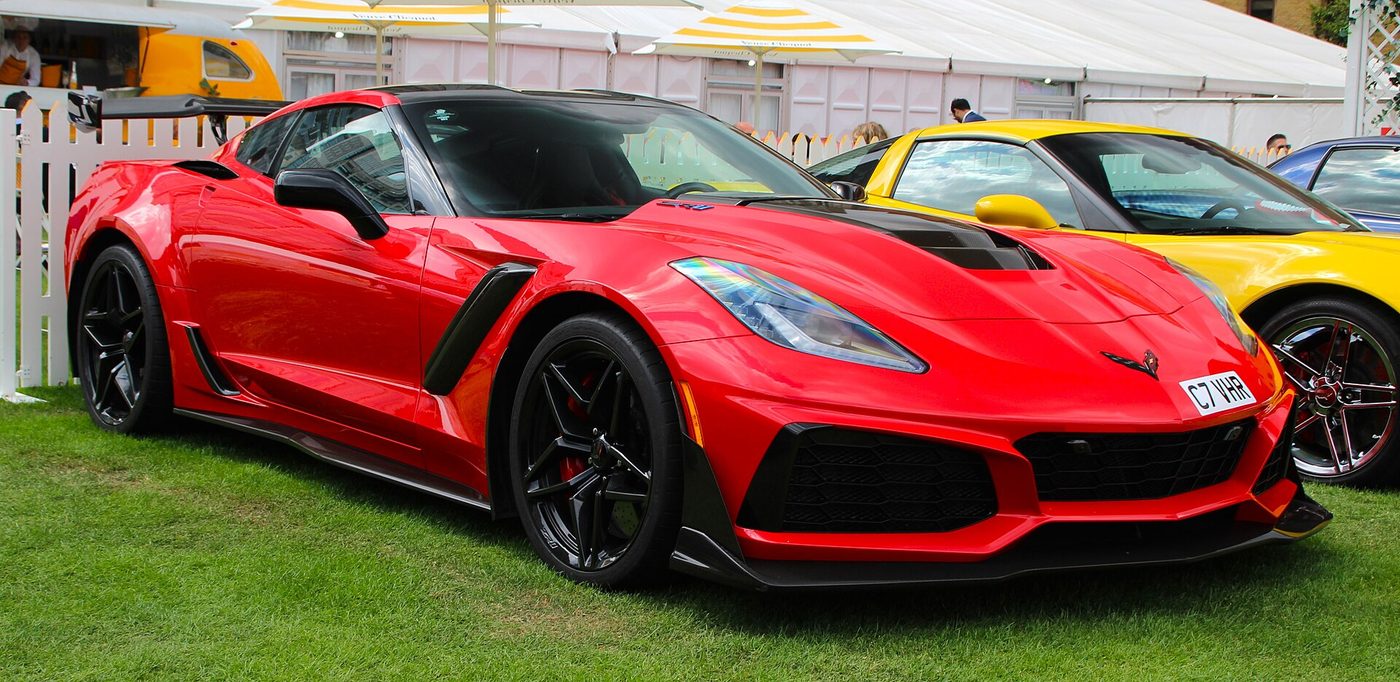
The big news was the ZR1, a supercharged top-tier Corvette that sat above the Z06. It was offered with the same transmission choices as other C7 models, an eight-speed automatic or a seven-speed manual. The Stingray, Grand Sport and Z06 continued.
Because this is the last C7 year, the car is the end of a long line. The generation's mechanical design had been on the road since 2014, which is useful for buyers because owners and shops know what to look for. The next Corvette, the C8, moved the engine behind the driver and is a different kind of car, so a 2019 is the final chance to buy the traditional front-engine layout in a new-looking package.
I have left out horsepower and other numbers because they are easy to get wrong, and the window sticker will give you the right ones. Use it to confirm the version, the options and the wheels.
Known trouble spots to check
NHTSA lists 148 complaints for 2019. The groups are wheels (124), power train (10), engine (4), fuel system (3), steering (3) and electrical (2). The pile is dominated by wheels, but the other groups tell you where the next-most-important checks are. Counts do not show how many cars are affected, and the data mixes versions.
Wheels. Owners describe cracks in the inner barrel, usually at the rear, a slow leak and a tire pressure warning. Some say a front wheel cracked too. A few mention a claims or reimbursement process that GM pointed them to, and one says they submitted a claim for a wheel. Terms and eligibility vary, so ask a dealer what applies to the VIN, and do not take the seller's word for it. Look at the inside of every wheel with a light, and ask for receipts for any wheel replaced or repaired. If the car has aftermarket wheels, ask why and where the originals are.
Power train. Owners of automatic cars describe a shake or shudder at light throttle, sometimes worse over time, sometimes starting with only a few thousand miles on the car. Some say a dealer flushed the fluid, others describe a mode change that felt like the car switching gears. One says the fluid used in manufacturing was the cause, which is that owner's opinion. Drive the car at steady speeds from 40 to 80 miles per hour with a light foot. Repeat after the car is warm.
Engine. Four complaints is a small number, but the stories are serious. Owners describe an engine that had to be replaced, a replacement engine that threw misfire and knock codes, smoke from the engine bay, and long waits for a replacement. Treat any claim of an engine replacement as a major history item. Ask who did the work, whether it was under warranty, and for the paperwork. On a high-output car, ask whether the engine has been tuned, whether it was ever run on a dyno and what fuel it was set up for.
Fuel and steering. Some complaints describe fuel smell after filling, a leaking filler neck and a cracked fuel pump module found by an independent shop. Others describe steering problems: a ZR1 owner reports a loud rattle from the front end and difficult control, and another owner says the car lost power steering assist several times in its first few hundred miles. A third describes a grinding or bumping noise when turning slowly. Test low-speed steering carefully, and smell the car after a drive.
General checks:
- Brakes and electronics. One owner describes the brakes suddenly applying themselves for a moment on a Grand Sport. It is a single report, but ask about any unexpected braking and look for stored codes.
- Tires and clearance. The ZR1 and Z06 use wide tires. Check for rubbing in the wheel wells and uneven wear.
- Cooling. Ask about track use and cooling system service, especially on supercharged cars.
Recalls on a car this age
The 2019 record lists one recall, and it is narrow. GM recalled certain 2019 Corvette ZR1 vehicles because hard braking or acceleration could cause the airbag sensing diagnostic module to enter a fault state. In that state, the module would not provide crash sensing or deploy the necessary airbags in a crash.
That recall covers the ZR1 only. It does not apply to a Stingray, Z51, Grand Sport or Z06. The NHTSA record for the model year can list a recall without making clear which version it affects, so do not assume a Grand Sport owner needs it, and do not assume a ZR1 has had it done.
Other C7 years also have steering and airbag software recalls, but those are not listed for 2019. Do not borrow findings from another year. Run the car's VIN at NHTSA's free recall lookup and ask the seller for proof of any completed work. Recall repairs are free at a Chevrolet dealer.
Test-drive checklist
- Check the wheels before the drive. Look at the inside of all four with a light, and ask if any have been repaired or replaced.
- Start the car cold. Listen for rattles, ticking and unusual noises from the supercharger area on Z06 and ZR1 cars.
- Drive at low speed with the wheel turned. Listen for bumps, grinding or clunks from the front end and note any steering warnings.
- Hold a steady 40 to 80 miles per hour at a light throttle. In an automatic, feel for a shudder or buzz. In a manual, check clutch slip, pedal feel and shift quality.
- Accelerate firmly where it is safe. The car should pull smoothly with no hesitation, no misfire and no warnings. Be gentle until the oil is warm.
- Brake firmly from highway speed. Check for a firm pedal, a straight stop and no pulsing. Look at the rotors for grooves, lips and heat marks.
- After a longer drive, let the car idle and watch the temperature gauge. Look for leaks and smell the rear of the car for fuel.
- Check for stored codes with a scan tool, or have the inspection shop do it.
Before you hand over money
Do three things before buying:
- VIN recall check, with the free NHTSA link above. On a ZR1, look specifically for the airbag recall.
- Vehicle history report, to look for accidents, title issues and odometer problems.
- Pre-purchase inspection by an independent shop that works on Corvettes, with a code scan, wheel inspection and a look at the underbody.
If the car is tuned or modified, ask what was installed, who installed it, and whether the tune can be reset. Ask for the tune file and any dyno sheet. If the car has been tracked, ask how many events, and what was done afterward for brakes, tires, fluids and cooling. A car with a documented history is worth more to you than a low odometer reading with no story.
Use the payment calculator to see a monthly cost with tax, fees and interest.
Is it the right car for you?
A 2019 Stingray or Grand Sport suits a buyer who wants a late, well-understood C7 for weekend driving or touring. The Z06 suits someone who wants more track capability and accepts the extra scrutiny it needs. The ZR1 suits a buyer who wants the final and most extreme version and has the budget for the car, the insurance and a specialist inspection. See the 2018 report for comparison, or the overview.
Look elsewhere if you want the newest design, a mid-engine car or a car that needs no special care.
Bottom line
The 2019 Corvette is the last and most mature C7, but the data shows heavy wheel complaints, some transmission shudder and a ZR1-only airbag recall. Confirm the version, check the VIN, inspect the wheels and demand records for any engine work or tune.