Quick take
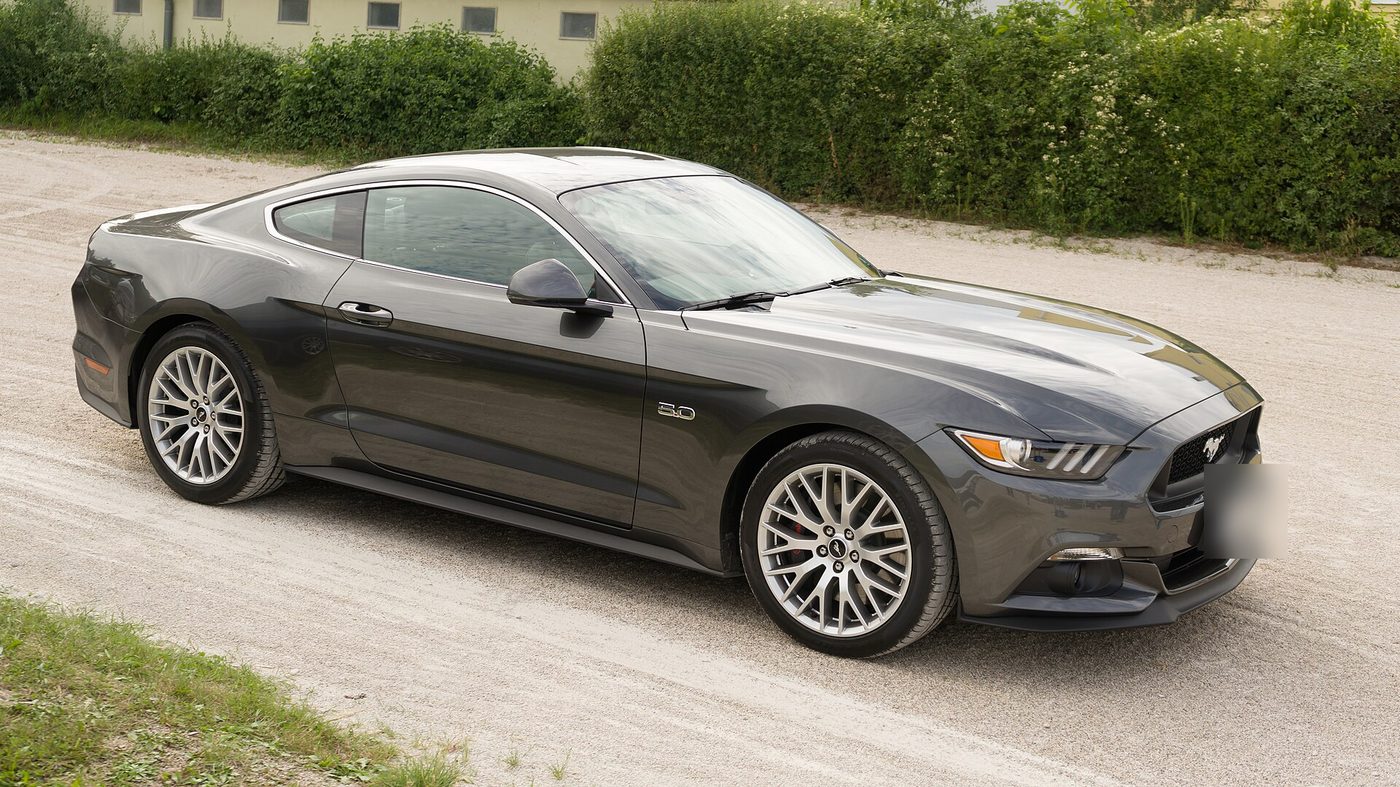
The 2015 Mustang is the first year of the sixth generation, and the first Mustang with independent rear suspension on every version. It is the entry point for a modern, good-handling Mustang, and used examples range from quiet commuter EcoBoost coupes to hard-driven GTs. Because it was the debut year, it also has the longest recall list in the 2015 to 2019 range, and owners have had the most time to report problems.
Before you buy, verify three things. First, every open recall by VIN, especially the door latches, the fuel system and the brake pedal bumper. Second, how a manual car's clutch pedal feels. Third, whether the car has been modified, and if so, who did the work and what was changed. The recall list, complaint breakdown and ratings below the article add detail.
What changed for 2015
This was a full redesign. The car got new styling, a more modern interior and a new rear suspension layout. The 2.3-liter turbocharged EcoBoost four-cylinder joined the lineup, alongside the V6 and the 5.0-liter V8 in the GT. A manual and an automatic were both offered, and coupes and convertibles were built.
Several 2015 recalls cover only cars built in specific weeks, or only one engine. If a seller says all the recalls were done, ask for the paperwork.
The Shelby GT350 did not arrive until the 2016 model year, so a 2015 car on the used market is an EcoBoost, V6 or GT, or a dealer or aftermarket-built variant. Some 2015 GTs were sold with performance packages, so look at the window sticker or build data to see how the car left the factory.
Known trouble spots to check
NHTSA has 439 complaints on file for the 2015 Mustang, with 26 crashes, 7 fires and 19 injuries noted in those records and no deaths. The counts below are the largest categories. Many complaints overlap, because one problem can be filed under several systems.
Door latches and the structure. Owners say a door, most often the passenger door, can slip to its first latch position at highway speed. The "door ajar" warning comes on and wind noise rushes in. Several say the dealer could not reproduce it. Two recalls on this year cover latch parts, and one of them applies to cars that had an earlier latch repair that might not have been done properly. On a test drive, get on a highway, and listen and watch the dash.
Brake pedal bumper and the brake lights. A plastic bumper on the brake pedal can fall apart. Owners describe brake lights that stay lit, a battery that drains, and a car that drops into a reduced-power mode. The matching recall applies to certain 2015 Mustangs sold or registered in hot, humid and coastal southern states, so a car from elsewhere may not be covered, even though owners elsewhere describe the same failure. Check the brake lights with the engine off, and ask to see the pedal area with a flashlight.
Clutch pedal weld. Manual-car owners describe the pedal coming loose from its shaft after a weld cracked. In some cases they could not press the clutch to the floor. Look for play in the pedal, a sideways wobble, or a pedal that feels different from the brake pedal beside it.
Electrical and the rearview camera. The electrical system is the second-largest complaint category (68), and the camera category adds 41 more. Owners describe a blank, flickering or distorted reverse image, and some say a repair held for a while and then failed. A few mention a trunk that would not open at the same time, which suggests a wiring problem in the lid. Open and close the trunk several times and check the camera in reverse, ideally after the car has warmed up.
Engine and the cooling system. There are 51 engine complaints. One owner of a 2.3-liter car describes coolant leaking into the engine. Others describe an air conditioning evaporator leak that left an odor and a film on the windshield. Check coolant level, smell the cabin and watch for white smoke at start-up.
General checks for a car like this:
- Check the oil cooler lines and the area under the car for oil seepage. A 2016 recall covers a hose that could separate from the engine oil cooler tube on certain 2015 to 2017 cars built in a set date range.
- Look at the fuel tank area and sniff for gasoline after the car has been parked. Owners of this year mention fuel odor and cracked tank parts.
- Check that the airbag light goes out after start-up.
Recalls on a car this age
The 2015 Mustang has eleven recalls on file. Plainly put, they cover seat belt parts (one for corrosion of front pretensioner cables on certain 2015 to 2017 cars, and one for a passenger sensor that could misjudge occupant size in cars built over a few weeks in 2014), the rearview camera (wiring in 2022, then a camera display recall in 2025 for certain 2015 to 2019 cars), door latches (two recalls, one for cars previously repaired), fuel system parts (a pressure sensor in a short build window and a fuel tank issue limited to 2.3-liter cars built over a set period), the brake pedal bumper in certain southern states and an oil cooler hose.
One of the eleven did not come from Ford. Roush recalled certain 2015 Roush Stage 3 GTs built between April and October 2015 with its Extreme Duty half shafts, because a rear brake caliper pin could loosen. If you are shopping a Roush car, ask whether that repair was done.
Recall repairs are free at Ford dealers, whoever owns the car now. Run the VIN at NHTSA's free recall lookup. Some owners report waiting for parts or finding that an old repair failed, so keep paperwork for every repair you accept.
Test-drive checklist
- Start the car cold. Listen for rattles, ticking or a long cranking time, and look at the exhaust for white smoke.
- On a manual, press the clutch several times. It should feel smooth and consistent, with no wobble, and the car should engage cleanly without slipping when you accelerate in a high gear.
- Drive on a highway and watch the dash for a door-ajar light. Note any wind noise from the door seals.
- Brake hard from a safe speed. The car should stop straight, with no vibration, pulling or soft pedal. Check the brake lights in a mirror or have a friend look.
- Put the car in reverse and look at the camera image. Try it again after the car has been driven.
- Look at all four tires. Uneven or cupped wear can mean worn suspension or a past alignment problem, and big mismatches between brands suggest cheap fixes.
- Open the hood and look for oil or coolant residue, loose hoses and aftermarket parts. Ask what has been added or changed.
- After the drive, park and check under the car for drips, and smell for fuel or coolant.
Before you hand over money
Get a VIN recall check, a vehicle history report and an independent pre-purchase inspection by a shop that knows Mustangs. On a modified car, ask for the full list of changes, who installed them, receipts and the stock parts if they were swapped out. Ask whether the car has an aftermarket tune and whether it can be returned to stock. Ask directly whether it has been to a track or drag strip.
A tune changes the load on the engine, clutch and transmission. A seller who is open about it is a better sign than one who dodges. If you cannot get clear answers, treat the car as unknown and price it that way.
Use the payment calculator to see what the car costs per month after tax, fees and interest, and leave room in the budget for tires, brakes and fluids.
Is it the right car for you?
The 2015 Mustang suits buyers who want a modern chassis and a wide choice of engines. An EcoBoost is the lighter-on-the-wallet route, and a GT is the classic V8 choice. A manual is the most engaging option, as long as you check that pedal.
It is a poorer fit if you need a quiet, trouble-free commuter and do not want to chase recall paperwork. The rear seat is tight, and the car is not built for adults on long trips. If you want more refinement, the 2018 Mustang and later cars received a refresh. For a general view, see the Mustang overview.
Bottom line
A well-kept 2015 Mustang can be a rewarding used performance car, but it is a first-year design with a long recall list and a few recurring owner complaints. Check the recalls by VIN, test the doors, camera and pedals, and be skeptical of heavy modifications without records. Let an inspection decide.