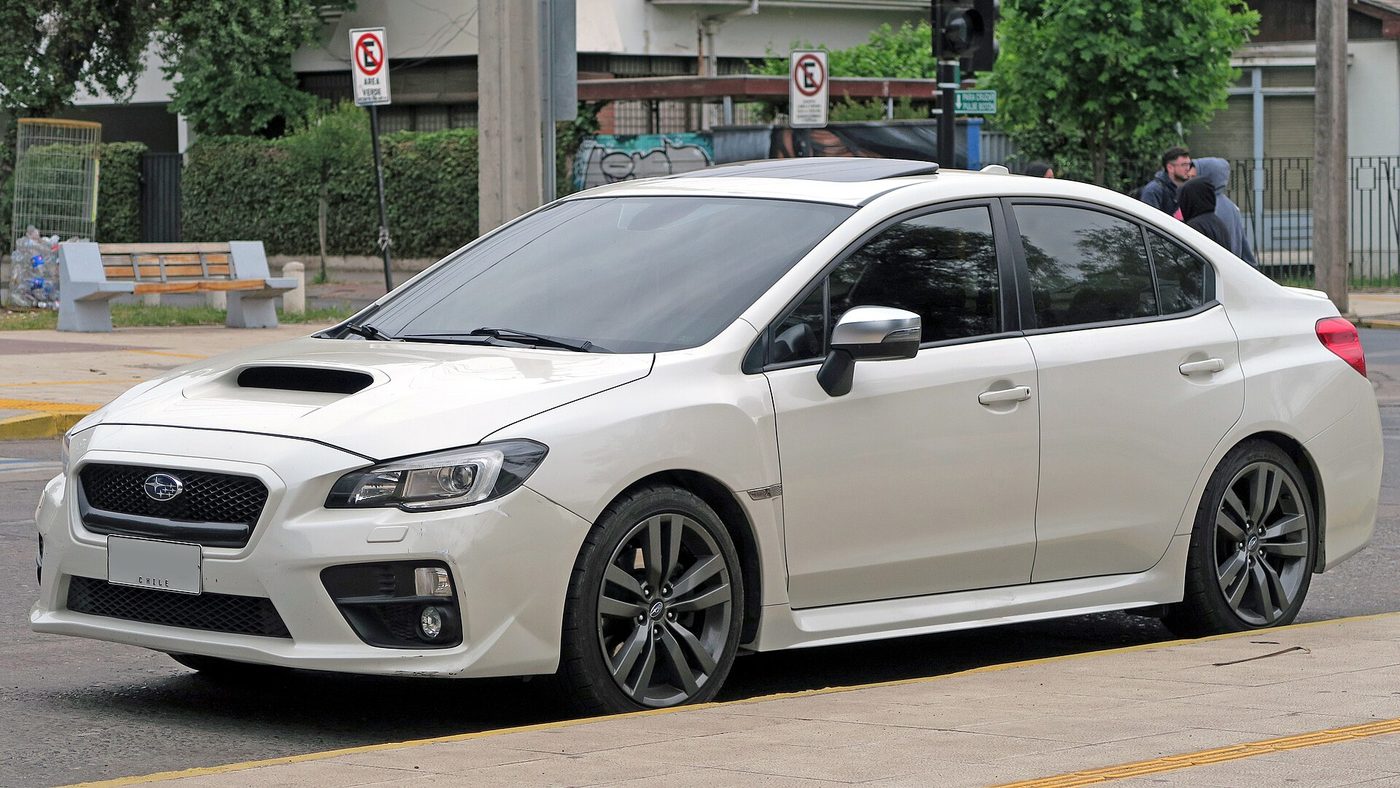
Quick take
The 2016 WRX is a good fit for a buyer who wants the newer-generation car without being the very first owner group. It has fewer complaints in the federal data than the 2015 and 2017 cars, which is helpful, though a smaller pile of complaints is not a promise about any one car.
Check three things. Electrical health comes first, because batteries and related parts lead the 2016 complaint list. Then confirm the turbocharger duct situation, since one recall touches this year and some owners say a replacement part cracked again. Finally, work out what has been done to the car, from a simple tune to track-day use.
What changed for 2016
The 2016 model sits in the middle of the third generation, which began with the 2015 redesign. It is a sedan only, with a 2.0-liter turbocharged engine, a manual gearbox as the standard choice and an optional automatic. This is a carryover year more than a reinvention, so reports for 2015 and 2016 overlap in many ways.
Some of the same early issues carry across. The turbocharger duct recall covers 2015 and 2016 cars built in a window that closed in October 2015, so a 2016 car built after that is outside it. Also remember that Subaru sells the WRX STI as a separate, more hardcore car. Its name appears in some owner reports filed under the WRX, and the federal data may not split them apart.
Known trouble spots to check
Owners filed 34 complaints for this year. The breakdown is led by the electrical system (10), then the engine (9), unknown or other (7), power train (4), fuel system (2) and steering (2).
Electrical system. Battery trouble is the most common theme. Owners describe batteries that went flat after sitting for a week or less, batteries replaced by a dealer that failed again within a couple of years, and a car that would not start even with a good battery. A few suspect a deeper fault in the car's wiring or electronics. One owner describes a secondary air injection pump that stayed on and overheated. Others mention the backup light and camera fault that the 2022 recall addresses, and driver-assist features switching off at night. On a test drive, check how quickly the engine starts, whether the dash lights behave, and whether the reverse lights and rear camera come on. Ask when the battery was last replaced and whether any codes are stored.
Engine. The reports cover hesitation under load, rattling with unstable oil pressure, and a boost leak at the intercooler found by a shop. One owner says a replacement turbo duct cracked after the first one was recalled. One shop reportedly found oil pickup screen blockage from sealant, though that is a single account and not proof of a pattern. Another owner reports a fire in a front-end collision with a deer, which is a crash result and not a design fault in itself. Test for smooth, even pull through the rev range, check for the smell of oil or coolant, and listen for a rattle on a cold start. A pre-purchase inspection should include a look at the intake pipes, the intercooler and its connections.
Power train. Four owners describe clutch trouble. They mention a clutch that became stiff and unusable, a clutch that stopped working well within about a year of buying, and difficulty finding first gear from a stop. One owner had gearbox trouble within the first few hundred miles. These are reports from individual cars, but they match the pattern seen in other WRX years. Try first and reverse from a standstill several times, and make sure the pedal feels smooth.
Other issues. Owners report sunroof glass breaking while driving, windshields that chip or crack easily, a key fob door that sticks, and Bluetooth reconnection trouble. Look closely at the sunroof glass and run the phone connection test.
Steering. One owner reports a power steering fluid leak and another a clunk when turning the wheel. Check for fluid at the rack and listen for noises at full lock.
General checks for a WRX of this age:
- Tires. Four matching, evenly worn tires matter on an all-wheel-drive car. Mismatched or very uneven tires put stress on the drivetrain.
- Brakes. Look for glazed or scored rotors, uneven pad wear and a soft pedal, especially on a car used for track days.
- Cooling. The car should hold a steady temperature and the fans should cycle. Look for dried coolant around hoses and the radiator.
- Fluids. Ask about oil changes, gearbox and differential fluid, and whether the intervals were short or long.
- Underbody. Look for fresh scrapes, bent components or heavy road salt corrosion.
Recalls on a car this age
The data lists three recalls for a 2016 WRX. Recall repairs are free at a Subaru dealer.
- Backup light switch. Covers certain 2015 to 2021 WRX cars. The switch can corrode and stop the backup lights and rear camera from working in reverse.
- Turbocharger air intake duct. Covers certain 2015 and 2016 WRX cars built between April 10 and October 21, 2015, plus certain Forester 2.0XT cars. A cracked duct may cause the engine to stall. A 2016 car outside that build window is not covered.
- Pre-collision braking switch. This one is narrow. It applies to certain 2016 WRX cars built on a single day, March 23, 2015, that have the Eyesight driver-assist system, as well as certain other Subaru models. If the brake light switch fails, the automatic pre-collision braking feature will not work.
Use the VIN at NHTSA's free recall lookup to find out which apply to the car and which are still open.
Test-drive checklist
- Ask for a cold start. Listen for rattles, long cranking or a rough idle, and check that warning lights come on and then go out.
- With the car in neutral, check that the reverse lights and rear camera work when you select reverse. Any delay or flicker is worth noting.
- Press the clutch repeatedly. Listen for squeaking, whirring or rattling that changes when the pedal is pressed, and feel for any stiffness.
- Pull away on a gentle slope in first, then shift through the gears. Look for slipping, hesitation or a burning smell.
- Accelerate firmly through a moderate range on a safe road. The power should build evenly without surging, stumbling or a drop in boost.
- Brake firmly from a safe speed and corner at a normal pace. Pulsing, pulling or clunks from the front end need an explanation.
- Turn the wheel from lock to lock while stopped, listening for a clunk or groan, and look under the car for wet spots.
- Leave the car parked while you look at the paperwork, then restart it. A weak battery often shows itself on the second start.
Before you hand over money
- A VIN recall check at the NHTSA link above.
- A vehicle history report, for accidents, title problems and odometer issues.
- An independent pre-purchase inspection, ideally at a shop that knows turbo Subarus, including a code scan, a battery and charging test, and a look at the intake system.
Ask questions about modifications before you visit. What parts are not factory? Who installed them and who did the engine tune? Is the original equipment still available? Has the car been on a track, and when were the brakes, tires, clutch and cooling parts last replaced? Written receipts matter more than verbal answers. Be careful with the claim that a tune can simply be removed, because you will not know what has been stressed.
When the price is settled, use the payment calculator to check the monthly cost with tax and fees.
Is it the right car for you?
The 2016 suits a driver who wants a livelier car than a typical commuter and does not mind staying on top of maintenance. It is also a sensible pick if you want a car with some recall history already worked through. You can compare it with the 2015 and 2017 cars.
Look elsewhere if you need the lowest-effort ownership, if you want a car that will be left parked for long stretches (battery complaints are common), or if you plan big power upgrades on a stock engine and clutch.
Bottom line
A 2016 WRX can be a strong choice, but the weak spots to check are the battery and electrical system, the turbo intake duct and the clutch. Confirm the recalls, learn what has been changed, and get the inspection before you decide.